
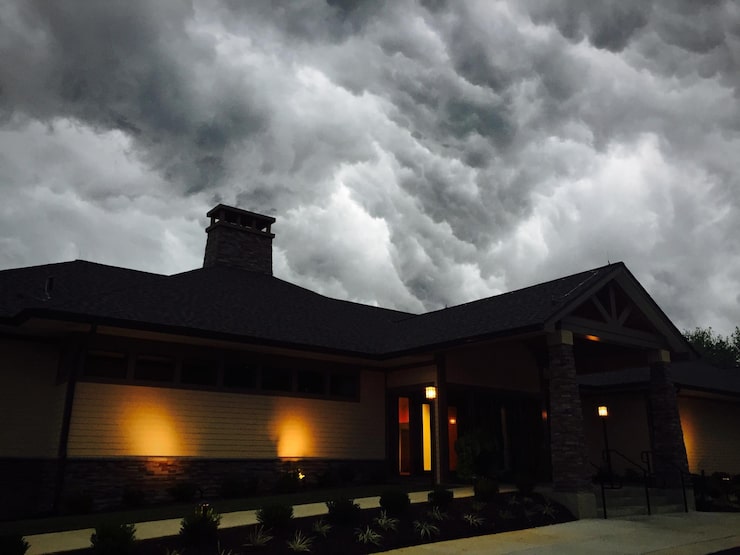
Every year, severe weather events cause millions in roof damage across the country. Whether it’s heavy rain, hail, or strong wind, your roof stands as the first line of defense. Yet, many homeowners wait until damage occurs before acting. Preparing ahead not only prevents leaks but also extends the roof’s lifespan and improves home safety.
This guide explores how to storm-proof your roof, the warning signs to look for, and the preventive steps that protect your home year-round.
1. Understanding How Storms Damage Roofs
Roofs are exposed to all weather extremes—sun, wind, rain, and hail. Each storm affects materials differently:
-
Wind: Can lift or loosen shingles, exposing the underlayment.
-
Rain: Causes leaks if flashing or seals are compromised.
-
Hail: Creates dents, cracks, and granule loss on shingles.
-
Debris: Tree limbs and flying objects can puncture or scrape the surface.
Even small issues can grow over time, leading to water damage, mold, and insulation problems.
2. Pre-Storm Roof Inspection Tips
Preventive inspection helps identify weaknesses before they fail under stress.
Checklist:
-
Examine shingles for cracks or curling.
-
Check flashing around chimneys, vents, and skylights.
-
Clear debris from gutters and valleys.
-
Look for sagging areas or dips in the roofline.
-
Inspect attic for damp spots or daylight peeking through.
Hiring a professional inspection before storm season ensures hidden vulnerabilities are addressed.
3. Reinforcing Your Roof for Durability
Simple upgrades can greatly enhance storm resilience:
-
Install impact-resistant shingles rated for high winds and hail.
-
Strengthen roof decking with additional fasteners.
-
Add hurricane clips to improve wind resistance.
-
Ensure proper roof ventilation to reduce moisture buildup.
-
Replace aging sealants around roof penetrations.
These measures reduce the risk of emergency repairs and insurance claims after storms.
4. The Role of Gutters and Drainage
Gutters are often overlooked but critical during storms.
-
Clean gutters regularly to prevent overflow and water pooling.
-
Ensure downspouts discharge water at least five feet from the foundation.
-
Check for loose hangers or disconnected sections.
A properly functioning drainage system prevents foundation damage and roof edge rot.
5. Post-Storm Inspection and Maintenance
After a storm, quick assessment can save thousands in repairs.
-
Check for missing shingles or flashing displacement.
-
Look for ceiling stains indicating leaks.
-
Remove any branches or debris immediately.
-
Document visible damage for insurance claims.
A post-storm inspection ensures timely repairs and maintains structural integrity.
6. Long-Term Benefits of Storm-Ready Roofing
Investing in storm-proofing provides multiple advantages:
-
Longer roof lifespan.
-
Lower repair and maintenance costs.
-
Enhanced home value and insurance benefits.
-
Increased energy efficiency through improved ventilation and insulation.
Conclusion
Storms are inevitable, but roof damage doesn’t have to be. With preventive inspection, reinforcement, and ongoing maintenance, homeowners can secure their property and reduce long-term repair expenses. A strong roof means peace of mind no matter the weather.