
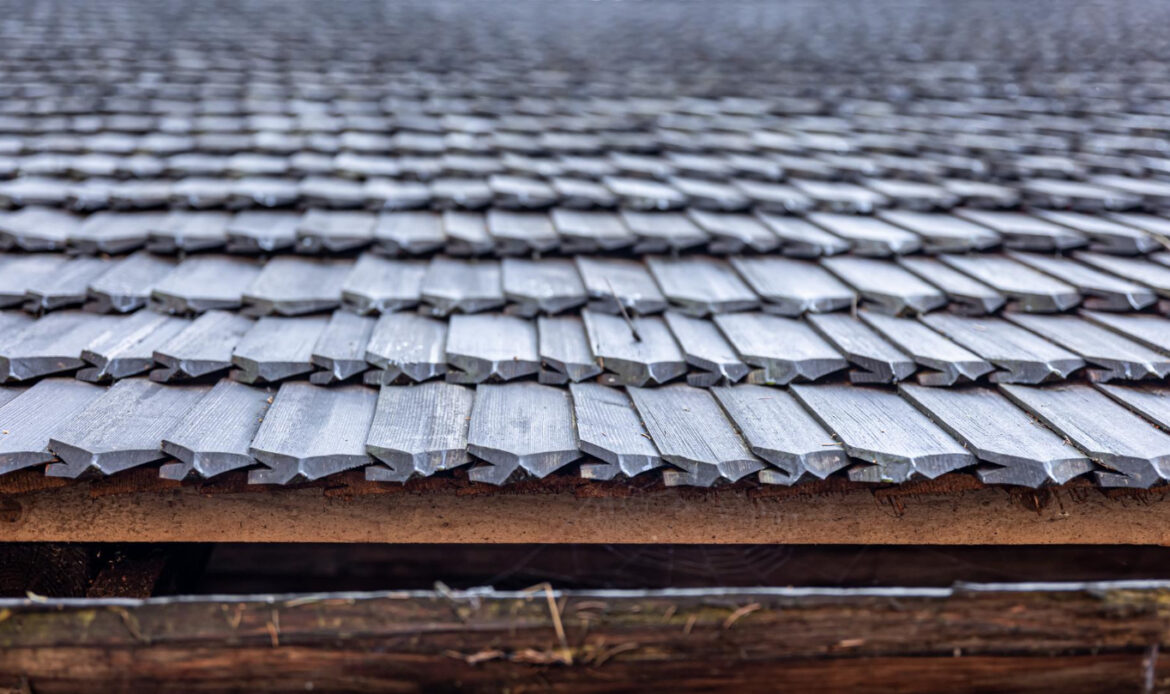
Your roof does more than protect you from the elements—it also plays a major role in regulating your home’s temperature. Choosing the right materials and insulation can lower energy bills and improve comfort year-round.
This post explores the concept of energy-efficient roofing, how materials affect heat absorption, and the design choices that can make a noticeable difference.
1. What Makes a Roof Energy Efficient?
An energy-efficient roof reflects more sunlight and absorbs less heat. It also provides adequate ventilation and insulation to maintain stable indoor temperatures.
Key factors include:
-
Reflective coatings: Reduce heat absorption.
-
Ventilation systems: Allow trapped hot air to escape.
-
Quality insulation: Keeps interior temperatures balanced.
2. Best Energy-Efficient Roofing Materials
-
-
Metal Roofing: Reflects sunlight effectively and cools quickly at night.
-
Cool Asphalt Shingles: Designed with reflective granules to reduce heat.
-
Clay or Concrete Tiles: Natural insulators that withstand high temperatures.
-
Slate Roofing: Dense and durable, ideal for long-term temperature control.
-
Each option offers unique benefits based on local climate and home design.
3. Proper Ventilation and Insulation
-
Ventilation: Prevents heat buildup and moisture.
-
Insulation: Reduces energy loss through the attic.
Balanced systems work together to keep homes cooler in summer and warmer in winter.
4. Long-Term Cost Savings
Energy-efficient roofs may cost more initially, but the return on investment is high.
-
Lower monthly energy bills.
-
Extended HVAC lifespan due to reduced strain.
-
Fewer maintenance issues.
-
Increased home resale value.
5. Additional Tips for Homeowners
- Choose light-colored roofing materials for better reflectivity.
- Regularly clean gutters and vents.
- Schedule professional roof inspections annually.
Small maintenance steps keep energy performance at its peak.
Conclusion
An energy-efficient roof is an investment that pays dividends for years. By choosing smart materials, ensuring ventilation, and maintaining your system, you reduce environmental impact while enjoying a comfortable, cost-effective home.