
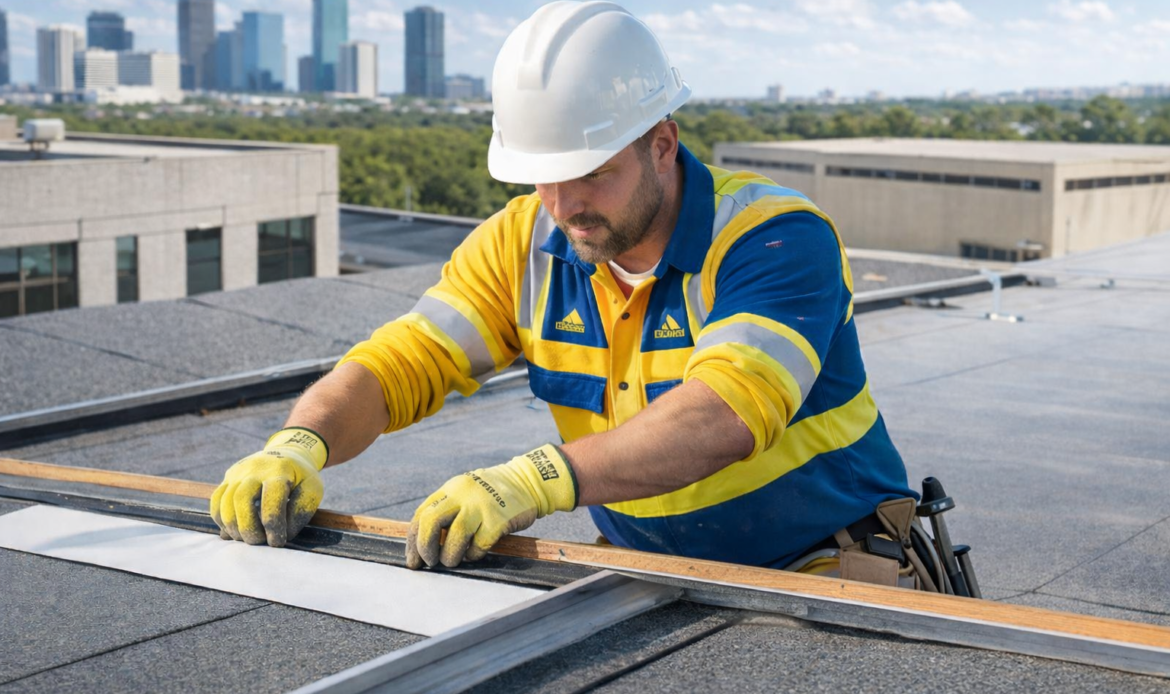
Choosing the right commercial roofing system is one of the most important decisions a business owner or property manager can make. Unlike residential roofs, commercial roofing must withstand constant exposure, heavy foot traffic, and extreme Texas weather conditions. Understanding how different systems work and when to schedule a commercial roof inspection, commercial roof repair, or commercial roof replacement — helps protect your building, budget, and long-term investment. This guide explains the most common commercial roofing systems used across Texas and how each performs in real-world conditions.
Why Commercial Roofing Systems Are Different
Commercial roofs are designed very differently from residential ones. Most commercial buildings use low-slope or flat roof systems that require specialized materials and installation methods. Because these systems cover large surface areas, even minor issues can spread quickly if left unnoticed. This is why routine commercial roof inspection plays a critical role in long-term performance and cost control. Proper system selection combined with professional commercial roof installation helps prevent premature failure and costly downtime.
TPO Roofing Systems
TPO (Thermoplastic Polyolefin) is one of the most widely used commercial roofing systems in Texas. It is popular because it offers strong heat resistance, excellent energy efficiency, and durability in high-temperature environments. TPO membranes are typically white, helping reflect sunlight and reduce cooling costs.
TPO is commonly used on:
- Retail centers
- Warehouses
- Office buildings
- Medical facilities
With proper installation, TPO systems perform well for many years. However, seams and flashing areas must be monitored regularly through scheduled commercial roof inspections to prevent moisture intrusion.
EPDM Roofing Systems
EPDM (Ethylene Propylene Diene Monomer) is a synthetic rubber roofing membrane known for flexibility and longevity. This system performs especially well in areas with temperature fluctuations, making it suitable for many Texas commercial properties. EPDM roofs are usually black, allowing them to absorb heat, which can be beneficial in cooler months.
EPDM is often selected for:
- Industrial buildings
- Distribution centers
- Manufacturing facilities
Over time, EPDM roofs may require targeted commercial roof repair around seams or penetrations, but when properly maintained, they can offer excellent long-term value.
Modified Bitumen Roofing
Modified bitumen roofing combines asphalt with polymerized materials to improve strength and flexibility. This system is installed in multiple layers, providing enhanced waterproofing and resistance to punctures. It performs well on buildings that experience regular foot traffic or equipment maintenance.
Modified bitumen is commonly found on:
- Apartment complexes
- Schools
- Commercial offices
Because of its layered structure, early detection through routine commercial roof inspection helps identify surface wear before it leads to internal damage.
Built-Up Roofing (BUR)
Built-up roofing systems consist of alternating layers of asphalt and reinforcing fabric. These systems have been used for decades and are known for durability. BUR roofs provide excellent protection against water penetration and are often chosen for large commercial buildings. While durable, aging BUR systems may eventually require partial commercial roof replacement if materials become brittle or saturated.
The Importance of Commercial Roof Inspections
Routine commercial roof inspections are essential regardless of the roofing system.
Inspections help identify:
- Ponding water
- Membrane damage
- Seam separation
- Flashing deterioration
- Drainage issues
Early detection allows businesses to schedule commercial roof repair before problems escalate into structural damage or interior leaks. In Texas, inspections are especially important after storms, hail, or prolonged heat exposure.
When Commercial Roof Repair Is Enough
Not every roofing issue requires full replacement. Commercial roof repair is often sufficient when:
- Damage is localized
- The membrane is still structurally sound
- Moisture has not penetrated insulation
- The roof is within its expected lifespan
Timely repairs extend roof life and help delay the need for major capital investment.
When Commercial Roof Replacement Becomes Necessary
Commercial roof replacement is typically recommended when:
- The roof has reached the end of its service life
- Widespread membrane failure exists
- Insulation is saturated
- Repairs are becoming frequent
Replacement allows business owners to upgrade to modern systems that improve energy efficiency, performance, and warranty protection. Selecting the right replacement system depends on building design, usage, and long-term goals.
Why Professional Commercial Roof Installation Matters
Commercial roof installation requires specialized training, materials, and experience. Improper installation can void warranties and lead to early system failure. Professional installation ensures:
- Proper membrane adhesion
- Secure flashing and penetrations
- Code compliance
- Manufacturer warranty eligibility
High-quality installation paired with ongoing inspections forms the foundation of long-lasting commercial roofing performance.
Texas Weather and Commercial Roofing Performance
Texas roofs face intense sun exposure, high winds, hail events, and sudden storms. These conditions place constant stress on roofing systems. Choosing the right material and scheduling routine maintenance helps minimize damage and extend system lifespan. The National Roofing Contractors Association (NRCA) provides industry guidance on commercial roofing best practices and maintenance standards: Following established industry recommendations supports safer and longer-lasting roofing systems.
Understanding commercial roofing systems allows business owners to make informed decisions that protect both property and operations. Whether your building requires routine commercial roof inspection, targeted commercial roof repair, professional commercial roof installation, or full commercial roof replacement, choosing the right system and maintenance plan is critical.With proper planning, modern commercial roofing systems can deliver long-term durability, efficiency, and peace of mind for Texas businesses.
FAQ
1. What is the most common commercial roofing system?
TPO and EPDM are among the most common commercial roofing systems used in Texas. They are popular because of their durability, energy efficiency, and ability to perform well on flat or low-slope commercial roofs.
2. How often should a commercial roof be inspected?
A commercial roof inspection should be scheduled at least twice a year and after major storms. Regular inspections help identify early damage and prevent costly commercial roof repair or premature replacement.
3. When should a commercial roof be repaired instead of replaced?
Commercial roof repair is recommended when damage is localized and the roofing system is still structurally sound. If issues are widespread or recurring, commercial roof replacement may be the better long-term solution.
4. How long does a commercial roofing system last?
The lifespan of a commercial roof depends on the system type, installation quality, and maintenance. Most systems last between 15 and 30 years with proper inspections and routine care.