
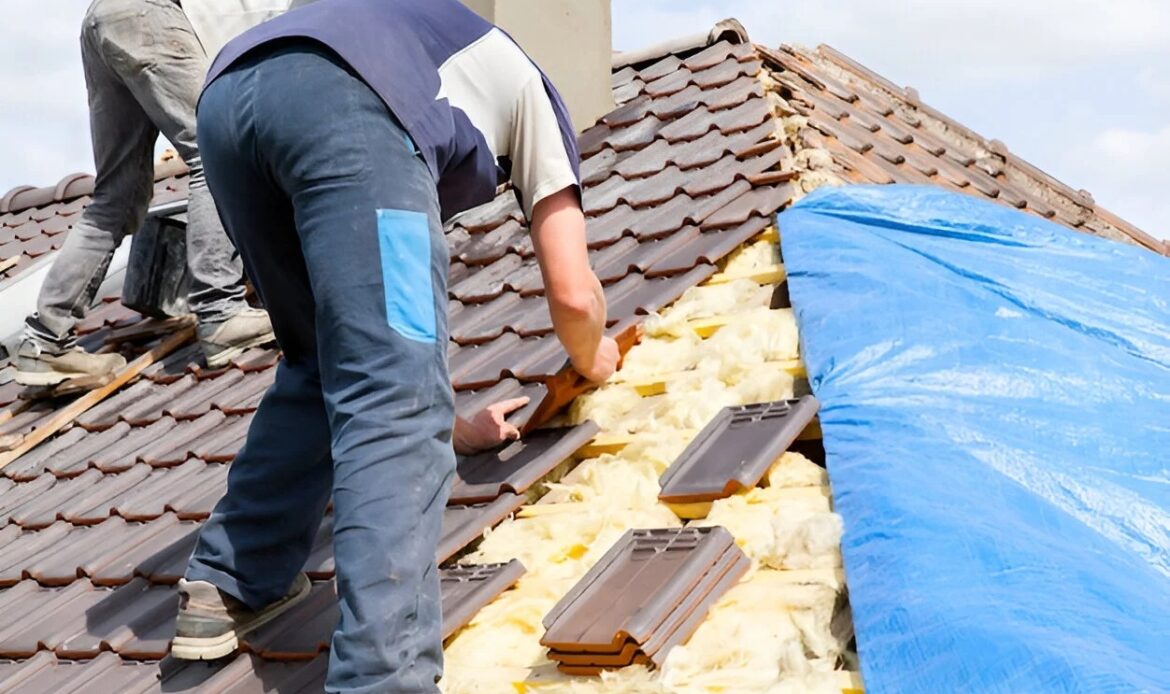
A roof leak can start as a small drip but evolve into major damage—wet insulation, mold, structural issues, interior damage. In Houston’s stormy climate, leaks are common and often urgent. For homeowners, knowing how to detect, diagnose, and address leaks early can save significant costs and hassle. In this guide, we’ll show you how leaks develop, what signs to look for, temporary fixes, and how a professional can address them permanently.
1. How Roof Leaks Develop
Leaks often begin silently. Key causes:
Damaged or missing shingles
Improper or aging flashing (around chimneys, vents, skylights)
Cracked sealants or gaskets
Worn roof valleys or metal components
Clogged gutters causing water to back up
Ice dams (less common in Houston but in colder spells)
Decking rot or broken underlayment letting water through
Because many leaks travel along interior layers, they may appear away from the actual roof damage location.
2. Early Warning Signs of Leaks
Watch for these indicators:
Water stains or brown patches on ceilings or walls
Dark streaks or mold on interior surfaces
Dripping water during rain or storms
Missing or curling shingles when observing from a ladder
Loose flashing or gaps around roof penetrations
Interior blistering or peeling paint
Sagging or soft spots in roof deck or drywall
Always stop leaks early before interior damage sets in.
3. Temporary Leak Mitigation Tips
Until a permanent repair can be done, you can mitigate immediate damage:
Use waterproof tarps over the roof area (secure with wood boards and clear water paths)
In interior, place a bucket under dripping points and protect floors/furniture
Use roof sealant in small cracked areas — only as a short-term patch
Clear gutters and downspouts to eliminate overflow and reduce further intrusion
These are interim solutions until professionals address the root cause.
4. Professional Diagnosis & Repair Steps
A roofing professional will typically follow this process:
Inspection and water test — examine roof areas, sometimes simulate rain to trace leak paths.
Identify source(s) — determine which shingle, flashing, or component is failing.
Remove damaged elements — replace shingles, flashing, or deck as needed.
Install new flashing or sealants — ensure proper integration with surrounding materials.
Restore roof surface — match shingles, repair underlayment.
Check interior for damage — inspect drywall, insulation, framing for secondary consequences.
Final water testing — ensure the leak is fully sealed and no further drip occurs.
5. Common Leak Repair Types
Flashing replacement — particularly around roof to wall transitions, chimneys, vent pipes
Valley repair where two roof planes meet
Roof shingle patching or replacing
Gutter overflow correction to relieve pressure on roof edge
Decking or underlayment replacement if internal rot or water damage exists
A skilled roofer will know how to integrate the repair seamlessly with existing roof.
6. Cost & Risk Considerations
Simple shingle repair can be low cost; complex flashing or structural repair costs more
Inadequate repair often leads to recurring leaks, meaning higher cumulative costs
Poor quality materials or workmanship void warranties
Delay in repair leads to interior damage, mold, insulation loss, and structural decay
It’s better to address leaks early than delay.
7. How to Choose a Reliable Leak Repair Contractor
Look for local experience in Houston / surrounding cities
Request before/after documentation
Insist on written proposals with detailed labor and materials
Ensure proper licensing, insurance, and roofing certifications
Ask about warranties on both materials and workmanship
Confirm they will perform a full inspection, not just patch the symptom
AO1 Roofing & Construction already markets roofing services in the Deer Park, Pasadena, La Porte region AO1 Roofing Company, so they should be qualified for complex leak repair work in those areas.
8. Preventive Measures to Avoid Future Leaks
Replace failing flashing before leaks begin
Keep gutters clear to avoid water backflow
Trim overhanging trees that drop debris or damage shingles
Regular inspections and maintenance to catch minor issues
Ensure proper attic ventilation to reduce moisture and heat stress
Reapply sealants around penetrations every few years
Being proactive reduces the chance of emergency repairs.
Conclusion
Roof leaks are one of the most insidious risks to a home: they start small but can lead to serious damage if ignored. For homeowners in the Houston / Southeast Texas area, understanding how leaks develop, spotting early signs, and engaging professional repair quickly makes a major difference in cost and damage. With the right prevention and timely repairs, your roof can remain secure and protective for decades.