
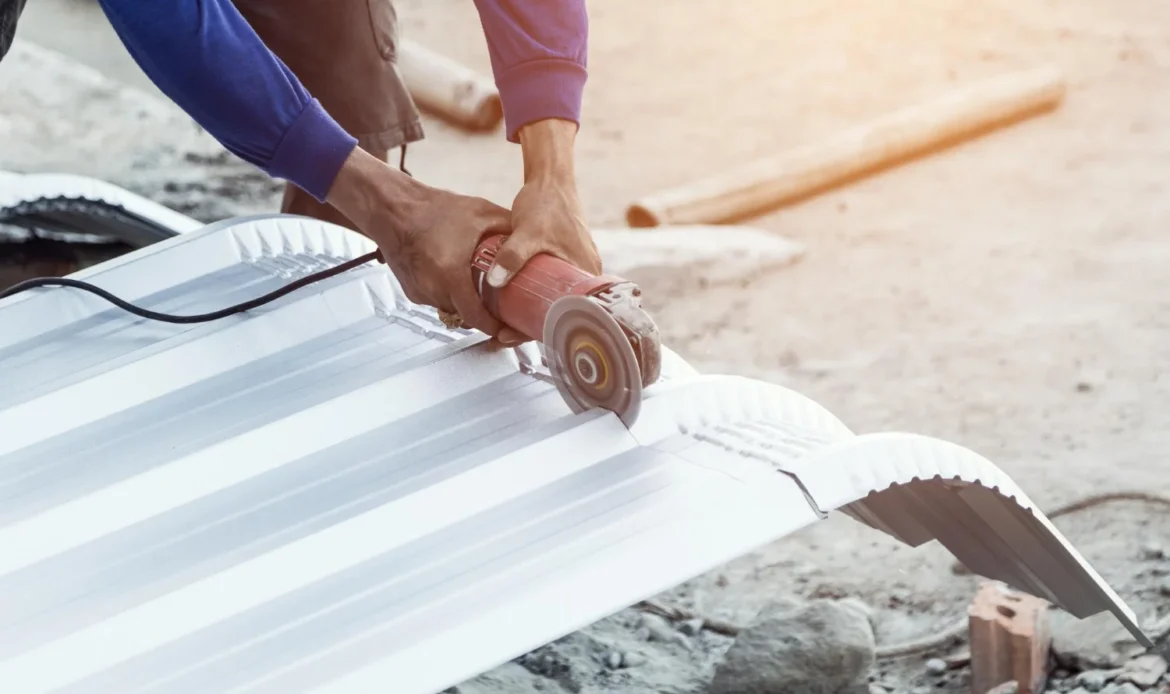
Your roof is one of the most critical components of your home. It must withstand intense heat, heavy rain, hail, strong winds, and occasional storms typical of Houston and surrounding areas. Selecting the right roofing material can significantly affect your home’s durability, maintenance needs, energy efficiency, and appearance. In this guide, we’ll walk through key material options, climate considerations, installation tips, and what to look for when choosing a roofing contractor in the Houston region.
1. Climate Challenges in Southeast Texas
Before picking a material, understand what your roof must endure:
High heat and UV exposure accelerate material aging and degrade roofs over time.
Heavy rains and humidity promote mold, mildew, algae, and trapped moisture in roof layers.
Hailstorms and wind events require impact resistance and secure fastening.
Thermal expansion and contraction can strain fasteners and flashing over time.
Storm runoff—gutters and drainage must complement roofing to avoid water damage.
Because AO1 Roofing & Construction serves Deer Park, Pasadena, La Porte, Baytown, Houston, and nearby cities (as listed on their service page) MapQuest+1, they are well aware of these local conditions.
2. Common Roofing Material Options
Here are the most suitable roofing materials for homes in Houston, with pros and cons:
Asphalt Shingles
Pros: Affordable, easy to install, wide variety of colors and styles.
Cons: Moderate lifespan (often 20–25 years in harsh sun), susceptible to granule loss and curling.
Best for: Homeowners looking for a balanced cost-performance solution.
Metal Roofing
Pros: Long lifespan (40–60 years or more), good for shedding rain, hail resistance, reflective options reduce heat gain.
Cons: Higher initial cost, proper insulation required, possible noise in heavy rain if not properly installed.
Best for: Homes needing durability and low maintenance in a storm-prone area.
Tile (Clay / Concrete)
Pros: Excellent fire resistance, durability, aesthetic appeal, timeless look.
Cons: Heavy weight (needs reinforced structure), expensive installation and repair.
Best for: Architectural or luxury homes that can support the weight.
Synthetic / Composite Roofing
Pros: Can mimic slate or tile without the weight, often lighter and more impact-resistant.
Cons: Varied quality depending on manufacturer, potential cost premium.
Best for: Homeowners wanting premium looks with modern benefits.
Slate (Limited Use)
Pros: Very long lifespan, elegant appearance, natural stone.
Cons: High cost, heavy, specialized labor needed.
Best for: Historic or high-end properties where aesthetics and longevity are priorities.
3. Key Factors to Evaluate
When comparing materials, keep these factors in mind:
Wind & wind uplift rating — essential for Houston-area storms.
Impact resistance / hail rating — hail is common, so rated materials help reduce damage.
Weight & structural compatibility — ensure your roof framing supports the load.
Maintenance requirements — some materials need more upkeep.
Fire resistance & local codes — certain roofing must meet fire and building code standards.
Warranty & workmanship — material warranty is only as good as the installation.
Energy efficiency / solar reflectivity — lighter or reflective materials help reduce cooling loads.
4. Questions to Ask a Roofing Contractor
When talking with contractors, these questions help you vet their competence:
What brands and styles of roofing materials do you carry or recommend?
What is the wind rating, hail rating, or impact resistance of the chosen material?
How do you ensure proper installation of flashing, underlayment, and fasteners?
What experience do you have in this locale (Deer Park, Pasadena, etc.)?
Will you provide a detailed written estimate with labor, materials, and warranty breakdown?
Do you carry licenses, insurance, and worker compensation?
What is your warranty on workmanship?
How will you protect my landscaping, gutters, and property during installation?
What is your cleanup plan after the job?
Do you offer inspection and maintenance services post-installation?
AO1 Roofing & Construction states on their “Our Services” page that they offer a full suite of roofing services in their service area (which includes these local cities) AO1 Roofing Company, so you should expect them to answer these directly.
5. Installation Best Practices
A quality installation is as vital as good materials. Key practices include:
Proper underlayment (waterproof / ice guard) in critical areas.
Correct flashing installation around chimneys, valleys, vents, and edges.
Sufficient ventilation (ridge vents, soffits) to reduce heat buildup.
Secured fasteners and consistent nailing pattern.
Seamless integration with gutters, downspouts, and drainage.
Careful management of disposal of old materials without damaging property.
A contractor who skips or shortcuts these steps can jeopardize performance, even with excellent materials.
6. Maintenance Tips to Prolong Roof Life
Even the best roofs benefit from care:
Inspect twice a year (spring & fall) for loose shingles, granule loss, damage.
Clean gutters and downspouts to prevent backup and water infiltration.
Trim tree branches that overhang the roof.
Remove debris after storms.
Promptly repair small damage (e.g. cracked shingles) before problems spread.
Schedule professional inspections every few years to catch hidden issues.
7. When Repair Isn’t Enough — Time to Replace
Not all damage is repairable. Consider full replacement when:
Roof is nearing or past its expected service life.
Frequent repairs are needed and costs add up.
Structural or decking issues are discovered.
The material cannot match replacement patches (appearance mismatch).
Local building codes or insurance require upgraded materials.
A good roofing company will help you assess whether repair or replacement is economically wiser.
Conclusion
Choosing the right roofing material in the Houston / Southeast Texas area is a balance of climate resilience, cost, aesthetics, and long-term performance. Whether you go with asphalt, metal, tile, or synthetic options, a key factor remains: the quality of installation and upkeep.
If you live in Pasadena, Deer Park, La Porte, Baytown, or Houston and need expert guidance or roof installation, replacement, or maintenance, work with a reliable, local roofing company that understands the region’s challenges and building standards.