
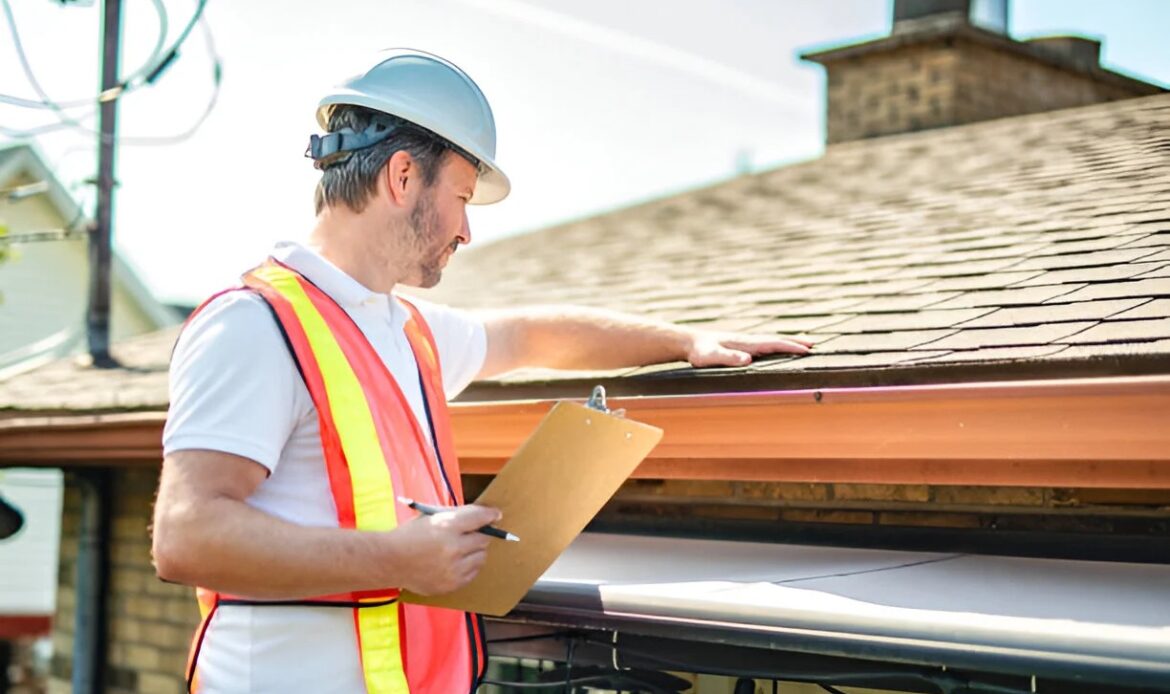
Storm season brings heavy rain, strong winds, and potential hail that can damage your roof and threaten your home. Preparing your roof before storms hit is the best way to reduce risks, protect your investment, and ensure the safety of your family. This blog provides a detailed guide to storm preparation for homeowners.
Understanding Storm Risks
Severe weather can damage roofs in multiple ways:
- High winds can rip off shingles or flashing.
- Hail can cause dents, cracks, or holes.
- Heavy rain can lead to leaks and water damage.
- Flying debris can puncture or weaken roof structures.
Why Preparation Is Essential
Many homeowners wait until after a storm to address roof issues, but by then, damage may already be severe. Proactive preparation saves money, reduces stress, and strengthens your home’s resilience.
Step 1: Schedule a Professional Roof Inspection
Before storm season begins, have a roofer inspect your roof for weak points, damaged shingles, or structural concerns. Addressing these issues before the storm helps minimize damage.
Step 2: Clean Gutters and Downspouts
Clogged gutters can cause water backup and roof leaks during heavy rain. Cleaning them ensures proper water flow and reduces the risk of water damage to your home’s foundation.
Step 3: Check Shingles and Flashing
Loose or missing shingles should be replaced immediately. Roofers also inspect flashing around chimneys, skylights, and vents, as these areas are especially vulnerable to leaks.
Step 4: Trim Surrounding Trees
Branches that hang over your roof can break during strong winds, causing punctures or cracks. Trimming trees is an effective preventive step.
Step 5: Secure Loose Items Around the Property
Outdoor furniture, grills, and decorations can become dangerous projectiles during storms. Securing or storing them prevents potential roof damage.
Step 6: Reinforce Roof Structures if Necessary
Older roofs may need additional reinforcement. Professional roofers can install hurricane straps, sealants, or protective coatings to strengthen the structure.
Step 7: Consider Impact-Resistant Materials
If your roof is due for replacement, choosing impact-resistant shingles provides better protection against hail and debris. These materials may also lower insurance premiums.
After the Storm: What to Do
- Inspect your roof from the ground for visible damage.
- Look for water stains inside the attic or ceilings.
- Contact a professional roofer for a detailed inspection and repairs.
- Document any damage for insurance purposes.
The Role of Emergency Roofing Services
Some damage may require urgent attention, such as major leaks or structural risks. Emergency roofing services ensure quick response times to secure your home until permanent repairs are made.
Long-Term Benefits of Preparation
Preparing your roof for storm season reduces repair costs, extends its lifespan, and provides peace of mind. A proactive approach means you won’t be caught off guard when severe weather strikes.
Conclusion
Your roof is your home’s shield during storms, and preparing it properly can make the difference between minor maintenance and major repairs. By scheduling inspections, performing preventive maintenance, and investing in strong materials, you can protect your home and family from storm damage.