
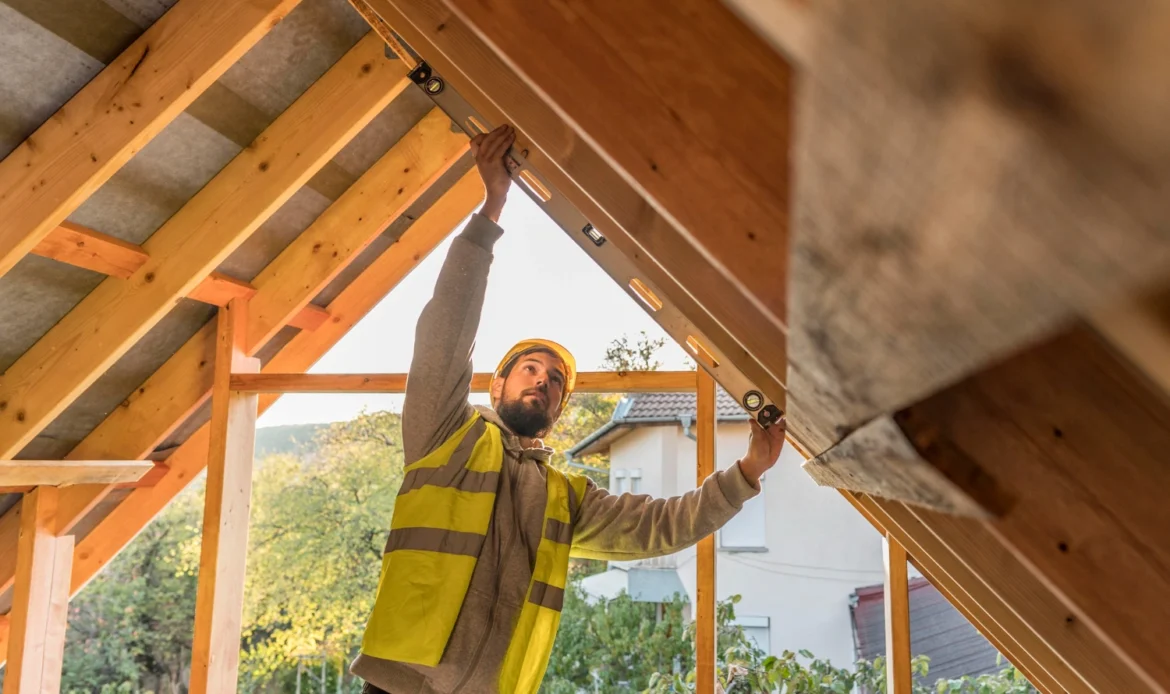
Roofing isn’t just about putting shingles on a house. In Houston and Southeast Texas, where the climate brings intense sun, high humidity, frequent storms, hail, and heavy rains, choosing the right roofing material matters a lot. The wrong material can lead to early deterioration, leaks, high energy bills, and costly repairs. In this guide, homeowners will learn about the kinds of roofing materials available, how Houston’s weather affects roofs, pros and cons of each material type, what to consider when selecting roofing, maintenance tips, and how AO1 Roofing & Construction helps make the right choice.
Houston’s Climate: Key Challenges for Roofing
Before selecting any material, you must understand what conditions the roof must endure:
High heat & UV exposure: Summers can be brutal. The sun ages roofing materials, causes warping, fades color, degrades asphalt.
High humidity & moisture: Rain is frequent, storms are common. Moisture trapped under roofing layers or around penetrations (vents, chimneys) can cause rot, mold, mildew.
Severe storms, hail, and wind: Roofing takes hits from wind uplift, hailstones, heavy rainfall, and occasionally hurricane-force conditions.
Thermal expansion & contraction: Materials expand in heat, contract in cooler nights. Over time, this causes cracking, seal failure, loose fasteners.
Drainage and runoff: Flat sections or low-slope roofs may retain water; gutters and downspouts must handle large volumes.
These challenges mean the roofing material must be durable, flexible, well-installed, and appropriately maintained.
Types of Roofing Materials & How They Perform in Houston
Here are the most common roofing materials you’ll see in Houston and how they hold up under local conditions:
| Material | Pros | Cons / What to Watch For |
|---|---|---|
| Asphalt Shingles (3-tab or architectural) | Most affordable, widely available, many color & style options. Good for sloped roofs. Repairs are easier. | Shorter lifespan (about 15-25 years under harsh sun). High heat can cause blistering or curling. UV rays cause granule loss. Need good underlayment and ventilation. |
| Metal Roofing (steel, aluminum, etc.) | Very durable, resistant to wind and hail. Reflects heat which can reduce cooling costs. Long lifespan (30-50 years or more). Fire resistant. | Higher upfront cost. Can be noisy in storms if not properly insulated. Must ensure proper installation to avoid leaks at seams or fasteners. Rust or corrosion possible near coastal areas if material & finish are not well chosen. |
| Tile (Clay or Concrete) | Excellent at resisting heat, very long life, distinctive appearance, good resale value. | Heavier weight means structural support must be adequate. Tile breakage is possible in hail or from walking. Higher installation and repair cost. More difficult to replace tiles precisely matching existing. |
| Slate | Luxury material, long lifespan, very durable against fire, weather, has natural look. | Very expensive. Very heavy, needs strong framing. Difficult to install and expensive to maintain or repair. Not common in all neighborhoods. |
| Metal shingles / Synthetic materials / Composite (polymer, rubber, etc.) | Can mimic tiles or shingles, lighter weight, often designed for impact resistance, sometimes better warranties. | Quality varies. Some synthetic materials degrade under constant sun. Some manufacturers less established so warranty issues possible. |
Important Material Properties to Consider
When comparing roofing material options, pay attention to:
Wind resistance rating – Houston gets high wind events. Choose materials rated for high wind uplift.
Hail / impact resistance – Especially important if your area sees hailstorms. Some asphalt and metal options come with “impact” ratings.
UV stability & color retention – Materials that resist fading or degradation under sun are better long-term. Light colors reflect heat.
Fire resistance – Materials like metal, tile or certain asphalt shingles have better fire rating.
Weight & roof slope – The roof structure must support heavy materials like tile or slate. Low slope roofs may limit material choice.
Energy efficiency – Reflective coatings, cool roof materials, ventilation, insulation beneath roofing matter.
Warranty & expected lifespan – What the manufacturer and installer warranty covers (materials, labor, wind, hail).
Cost vs. Lifespan: What Should Homeowners Budget For
A roofing decision often comes down to balancing upfront cost vs long-term value.
Initial cost includes materials, labor, structural reinforcement (if needed), permits, and disposal of old roofing.
Lifecycle cost includes repairs, maintenance, expected service life, energy savings from reflective / cool materials, and possible storm damage repairs.
Trade-off examples: Asphalt shingle is cheaper now but may need replacement sooner; metal has higher upfront cost but may last longer and reduce peak cooling load.
Being aware of the full cost picture helps avoid surprises down the road.
What to Consider When Selecting Roofing Material for Your Home
Here are key decisions a homeowner should make to get good results:
Current roof condition – If roofing structure is old or damaged (rotten wood, weak underlayment), replacement or reinforcement may be necessary regardless of material.
Desired roof style / architectural compatibility – Some materials fit better with certain styles (tiles for Mediterranean style, metal or shingles for modern).
Local building codes & HOA rules – Some neighborhoods or cities require certain fire ratings, wind ratings, or restrict certain types of roofing appearance.
Roof slope / pitch – Low slope or flat roofs limit choices. Some materials (such as shingles) are not ideal for shallow slopes due to water drainage.
Color & reflectivity – Choosing lighter or reflective materials helps reduce cooling cost. Dark roofs absorb heat.
Ventilation & insulation – Even the best material fails if attic ventilation or underlayment is poor. Proper installation of vents, ridge caps, soffits, etc., is crucial.
Maintenance commitment – Some materials are low maintenance (metal, tile), others (wood shakes, some asphalt shingles) need periodic care.
Maintenance Tips by Material
Different materials have different weak points. Here are maintenance suggestions to prolong lifespan:
Asphalt Shingles: Inspect every year or after storms; replace missing shingles; keep gutters clean; monitor granule loss; ensure attic ventilation.
Metal Roofing: Check for loose fasteners or screws; inspect seams and flashings; clean off debris that can trap moisture; treat small rust spots early.
Tile Roofing: Replace broken tiles promptly; make sure underlayment is intact; avoid heavy foot-traffic; inspect flashing and valley areas.
Synthetic / Composite: Clean surfaces gently; check UV rating; inspect for warping or discoloration; avoid harsh chemicals during cleaning.
Common Mistakes Homeowners Make When Choosing Roofing
Knowing what to avoid is just as important as knowing what to choose. Common errors include:
Picking cheapest material without considering lifespan or local conditions.
Poor installation – even great materials fail with bad installation. Flashing, sealing, nailing pattern matter.
Ignoring the effect of shade; shaded roofs tend to retain moisture so appropriateness of material that resists mold/algae is key.
Not considering total cost of ownership: repairs, energy, possible damage from storms.
Overlooking ventilation and understructures (attic insulation, vents) which contribute significantly to the performance.
How AO1 Roofing & Construction Helps Homeowners Make the Right Material Choice
AO1 Roofing & Construction offers services that assist homeowners in choosing and installing roofing materials suited to Houston’s climate:
They provide free roof inspections and consultations to assess roof condition, structure, exposure to shade/storms, etc.
They carry a variety of roofing materials suited to Houston weather: impact-resistant shingles, metal roofing, etc.
They help customers understand warranties, both for materials and workmanship.
They support proper installation practices: flashing, proper nailing, ventilation, sealants.
They offer repair services and maintenance advice to prolong roof life whichever material is chosen.
Deciding When to Replace vs. Repair
Even after choosing the right material, you need to know when a roof should be repaired or replaced:
If roof is past a certain age (depending on material) and showing widespread wear or damage.
If repairs are frequent and mounting cost is approaching replacement cost.
If structural components are compromised (decking rot, major leak damage).
If roof no longer meets local regulations, or insurance requirements.
If changing roofing material (e.g. switching to tile or metal) might upgrade value or performance significantly.
Conclusion
Choosing the right roofing material for a home in Houston or Southeast Texas is a decision with long-term impact. From cost and longevity to performance under heat, storms, moisture, and sun, many factors must be weighed. The best choice balances durability, style, energy efficiency, and cost.
If you want help evaluating your roof, getting advice on material choice, or understanding a quote or warranty, reach out to a trusted local roofing company with experience—such as AO1 Roofing & Construction—for professional assessment and installation. A good roof starts with the right material and ends with quality workmanship.