
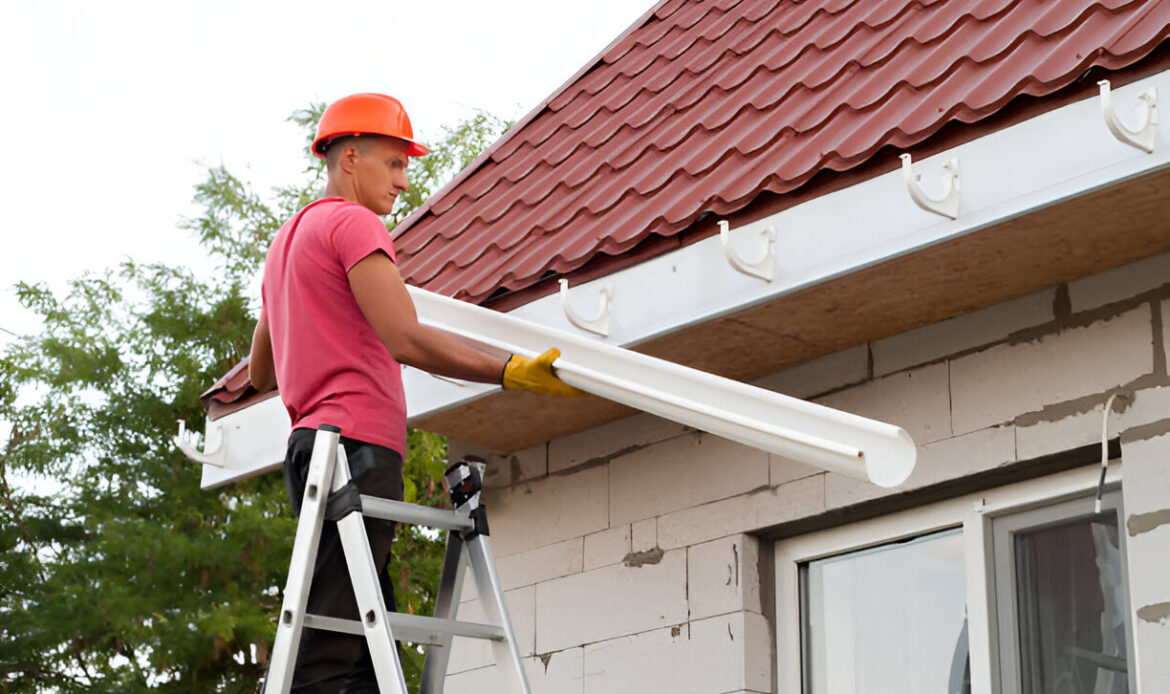
A roof is a key part of any house. In Houston, TX, climate conditions—heat, humidity, storms—put roofs under constant stress. Proper maintenance helps prevent small problems from becoming big, expensive repairs. Homeowners who follow a maintenance plan can extend roof lifespan, maintain home safety, and protect their investment.
Understanding Houston’s Roofing Challenges
Houston’s climate brings several roofing challenges:
- High Heat & UV Exposure: Hot sun damages roofing materials, causes warping or breakdown over time.
- Heavy Rain & Storms: Sudden rains or hail can loosen or damage shingles.
- Humidity and Moisture: Promotes mold, algae growth, moisture intrusion.
- Wind: Especially during storms, wind can lift shingles or tear off flashings.
Knowing these helps decide what maintenance steps matter most in Houston rather than general advice.
Key Maintenance Tasks Homeowners Should Follow
Here is a detailed maintenance checklist with tasks, frequency, and what to look for:
| Task | What to Do | Frequency |
|---|---|---|
| Roof Inspection | Look for missing, cracked, or curled shingles. Inspect flashing around chimneys, vents, skylights. | Twice per year (spring & fall), and after any major storm. |
| Gutter Cleaning | Remove leaves, debris, check downspouts. Water should drain freely; pooled water near roof edges is a risk. | At least twice per year; more often if trees overhang. |
| Trim Overhanging Branches | Cut back branches that brush or hang over roof to reduce risk of damage or debris accumulation. | Once a year or as needed. |
| Check Attic & Ventilation | Examine for moisture, mold, leaks inside attic. Ensure vents are clear and working. Poor ventilation accelerates material aging. | Once a year. |
| Seal and Repair Flashing & Penetrations | Check flashings (chimneys, vents) and roof penetrations for loose, cracked, or missing pieces; reseal or replace as needed. | At least once per year; after storms. |
| Moss, Algae, & Debris Removal | Clean visible growth; remove leaves or debris that trap moisture. Use proper cleaning methods. | Once a year or more in shaded / humid areas. |
Signs That Maintenance Is Overdue
Knowing what to look for helps catch issues early:
- Shingles that are missing, cracked, or curled at edges.
- Granules in gutters (asphalt shingles shedding).
- Dark streaks or green growth on roof surfaces (algae, moss).
- Water stains in ceilings or attic after rains.
- Warped, loose, or rusted flashing.
- Sagging or soft areas in roof deck.
- Gutter overflow during rain due to clogs or bad drainage.
Tips for Choosing Materials & Protection
To reduce maintenance and improve durability:
- Select Impact-Resistant Shingles: Better withstand storms, hail.
- Proper Underlayment: Good underlayment helps protect against leaks and moisture even under damaged shingles.
- Good Ventilation: Ridge vents, soffit vents to allow airflow, reduce heat buildup.
- High-Quality Flashing & Seals: Use durable materials around roof penetrations.
- Quality Gutters & Downspouts: Gutter design must handle Houston’s heavy rain; consider guards to reduce blockage.
When to Call Professionals
Some tasks are best left to experts:
- Full inspections (after storms, or if signs of damage).
- Flashing replacement or repair.
- Shingle replacements or roof patching.
- Structural damage or sagging decks.
- Leak detection that is not visible without tools.
Professionals have safety equipment and experience to handle steep roofs, high pitch, and risky repairs safely.
Cost & Value of Maintenance vs Neglect
- Regular maintenance costs are moderate: cleaning gutters, replacing a few shingles, minor flashing repairs.
- If neglected, costs grow: water damage, rotting wood, full roof replacement.
- Well-maintained roofs in Houston can last the upper range of their material’s lifespan; poorly maintained roofs may fail well before expected life.
Maintenance Schedule Sample for Houston Homes
Here is an example year plan:
- Winter (December-January): Inspect after winter rains; check for any storm damage.
- Spring (March-April): Clean gutters, trim branches, inspect for UV damage.
- Summer (June-July): Inspect for signs of heat damage; moss/algae control.
- Fall (September-October): Prepare for storms; seal flashing; clean debris.
FAQs About Roof Maintenance in Houston
Q: How much does a typical roof inspection cost?
A professionally done inspection often is free with repair work, or paid when no work is done; costs vary with roof size and complexity.
Q: Will maintenance delay replacement?
Yes. Good maintenance can add years to roof life, delaying full replacement.
Q: Does homeowner insurance help with maintenance or repairs?
Insurance usually covers damage from sudden events (storms, hail) but not gradual wear. Documenting condition helps with claims.
Conclusion
For homeowners in Houston, roof maintenance is essential. It prevents small issues from turning into major failures, reduces long-term costs, and keeps homes safe and dry. By following a maintenance program of inspection, cleaning, repair, and periodic professional checks, homeowners can protect their investment and extend the service life of their roofs.