
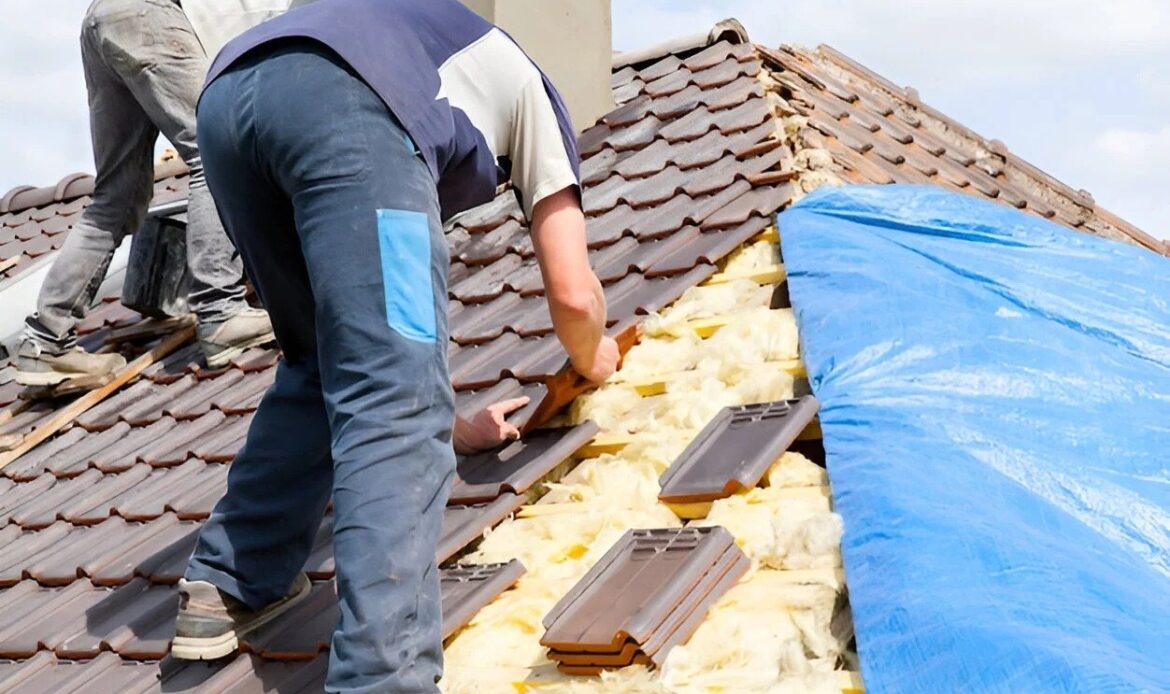
Your roof works silently day in and day out—shielding your home from sun, rain, wind, and storms. But problems rarely announce themselves loudly. What starts as a small issue can grow into a costly repair or total replacement if left unchecked. For homeowners in Houston, Pasadena, Deer Park, La Porte, and surrounding areas, knowing how to recognize early signs of roof damage is key to protecting your home and wallet.
In this guide, we’ll cover common early warning signs, why early detection matters, how local climate influences damage, DIY inspection tips, and when to call a roofing professional.
Why Early Detection Matters
Catching roof problems early often means the difference between a minor fix and a full replacement. Here’s why early detection is so important:
Prevent interior damage: A small leak can lead to water intrusion, damaging insulation, ceilings, walls, and electrical systems.
Avoid rot and mold: Persistent moisture promotes wood rot and mold growth in attic structures and decking.
Save money: Minor repairs are far less expensive than major structural work or full roof replacement.
Extend roof life: Maintaining the roof in good condition helps it reach or exceed its expected service life.
Maintain warranty: Many roofing manufacturer warranties require prompt repair and maintenance to remain valid.
Local Factors That Accelerate Roof Wear
Because AO1 Roofing & Construction’s service area includes Deer Park, Pasadena, La Porte, Baytown, Houston, and nearby cities (per their “Our Services” page) AO1 Roofing Company+1, roofs in this region face unique challenges:
Intense sun & high UV: Accelerates shingle aging, causes cracking, fading, and granule loss.
Heavy rain & storms: Flash flooding and pressure from storm winds can stress roof components.
Hail: Hail damage pockmarks shingles and creates weak spots.
Humidity & moisture: Encourages moss, algae, mildew growth on shaded surfaces.
Wind events: Uplift pressure, loose flashing, shingle blow-offs are common in storm-prone areas.
These local climate factors make roofs more vulnerable, so vigilance is key.
Common Early Warning Signs of Roof Damage
Below are signals you should never ignore:
1. Granules in Gutters or Downspouts
If you see black sand-like granules in gutters, that’s a sign shingles are shedding their protective layer.
2. Curling, Buckling, or Cracking Shingles
Edges or corners that lift indicate heat or age damage. These spots are vulnerable to wind and leaks.
3. Dark Streaks or Algae Growth
Black, green, or brown streaks often indicate algae or moss—common in humid climates.
4. Loose or Missing Flashing
Areas around chimneys, vents, skylights often suffer flashing failures first.
5. Daylight Through the Roof
In the attic, if you see sunlight or rain penetration, roofing layers are compromised.
6. Sagging Roof Deck
If the deck sags or dips, it could indicate structural weakening or moisture damage.
7. Higher Energy Bills
Heat infiltration through deteriorated roofing or insulation failure may result in increased HVAC usage.
8. Interior Stains & Water Marks
Ceiling stains, peeling paint, or damaged drywall often trace back to roof leaks above.
How to Perform a Basic Roof Inspection Safely
You don’t need to climb on every part of your roof. Here’s a homeowner-friendly checklist:
Walk the perimeter
From the ground, inspect for missing shingles, lifted edges, sagging spots, or loose material.Gutters & downspouts
Look for granules, debris accumulation, rust, or gaps.Attic / interior inspection
Use a flashlight in your attic: look for daylight, wet insulation, mold stains, or wood rot.Flashing & joints
Look around roof penetrations (chimneys, vents) for seal cracks or rust.After storms
Reinspect after hailstorms, heavy rains, or wind events for fresh damage.Photograph areas
Take images of suspicious zones each time to compare over time.
Caution: Don’t risk your safety climbing a steep roof. Hire professionals for full roof inspections or dangerous spots.
What to Do When You Spot Damage
When you detect any of the warning signs, take these steps:
Schedule a professional inspection
A licensed roofer can assess damage, identify hidden issues, and recommend repairs.Temporary protection
Use tarps or sealants (if safe) to protect interior areas from further damage until permanent fixes can be done.Get detailed estimates
Ask contractors for written quotes, scope of work, materials, timeline, warranty coverage, and permits.Address multiple issues at once
If your roof is aging or several damaged areas are found, it may be more cost-effective to replace than patch.Document everything
Keep photos, inspection reports, quotes, and communication in case insurance or warranty claims arise.
Examples of Repairs vs Replacement Decisions
Minor leaks or flashing replacement → Usually repair
Localized shingle damage → Patch or partial replace
Extensive shingle failure, sagging deck, frequent repairs → Full replacement
Advanced age + multiple wear signs + structural weakness → Replacement is often smarter in the long run
A trusted contractor helps guide whether repair or replacement is the better choice.
How AO1 Roofing & Construction Can Help
AO1 Roofing & Construction is a local roofing company serving Pasadena, Deer Park, La Porte, Baytown, Houston, and nearby clients. mapquest.com+1 They offer:
Free inspections and assessments
Residential and commercial roofing services
Repair, maintenance, and full replacement
Licensed, insured crews that understand local weather and building codes
Transparent estimates and workmanship warranties
When you hire a local company familiar with regional roofing challenges, you benefit from expertise and quicker response times.
Conclusion
Roof damage is often stealthy, creeping in gradually and only manifesting when symptoms worsen. By educating yourself on early warning signs, performing periodic inspections, and contacting professionals at the first sign of trouble, you protect your home, avoid costly repairs, and extend the life of your roof.
If you live in Pasadena, Deer Park, La Porte, Baytown, or Houston and want help assessing your roof or scheduling a repair, contact a qualified roofer with local knowledge and a record of integrity.