
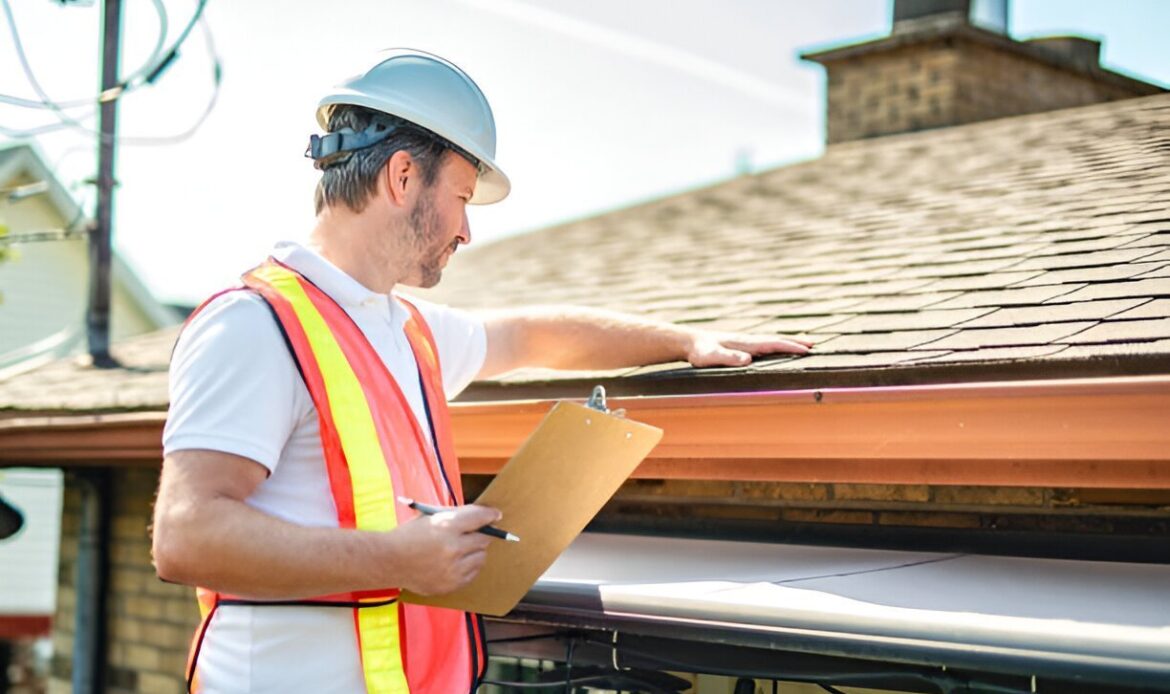
Your roof is your home’s first defense against wind, rain, heat and storms. Especially in Texas, where weather extremes are common, relying on time alone is risky. The longer small problems go unnoticed, the more costly they become. In this guide, we’ll detail how to spot early signs of roof damage, why it matters, and how proactive care preserves your home’s value and safety.
Why Early Roof Damage Matters
When damage goes undetected, even minor issues such as a loose shingle or failing flashing can lead to major complications: interior water intrusion, mold growth, structural weakening, higher energy bills, and reduced lifespan for roofing materials. That’s why early detection and timely repair matter enormously.
Common Early Warning Signs to Watch For
-
Granules in the gutters or downspouts – indicates shingles losing protective surface.
-
Curling or buckling shingles – especially at edges, a sign of aging or wind damage.
-
Dark streaks or algae growth – moisture-holding contaminant that degrades materials.
-
Loose or damaged flashing around penetrations (chimneys, vents) – weak point for leaks.
-
Sagging roof deck or visible dips – structural issue often from long-term water exposure.
-
Unusually high energy bills or hotter attic temperatures – may signal poor ventilation or insulation due to roof damage.
-
Interior stains or damp insulation in attic – signs of hidden leaks.
How Texas Climate Accelerates Roof Wear
In the greater Houston and southeast Texas region, roofs face: intense sun and UV exposure; high humidity that promotes mold and algae; frequent storms with wind and hail; and fluctuating temperatures that stress materials. Because of these conditions, even well-installed roofs benefit from extra vigilance.
Inspection Schedule and Process
Schedule a professional roof inspection at least twice a year (spring & fall) plus after major storms. A qualified roofer will check shingle integrity, flashing and sealant condition, gutters and drainage, attic ventilation, and roof deck stability. Documenting current condition (photos and notes) helps track deterioration and supports insurance or warranty claims if damage occurs later.
What You Can Do Between Inspections
-
Clean gutters regularly to avoid water backup.
-
Trim overhanging branches that can drop debris or scrape surfaces.
-
Remove visible debris from roof valleys and low-slope areas.
-
Monitor the attic and ceiling for early signs of water intrusion.
-
At the first sign of curling or missing shingles, call a professional rather than waiting.
Minor Problem vs. Major Replacement
If damage is localized (a handful of shingles, minor flashing seal failure) repair may suffice. But if you see large areas of wear, multiple leaks, or your roof is approaching its lifespan (often 20–30 years for many asphalt systems), full replacement may be more cost-effective in the long run.
Why Choose a Full-Service Company
Because many roof issues are linked to the entire building envelope (gutters, siding, flashing, ventilation), hiring a contractor who handles roofing plus gutter and siding services means a more comprehensive solution. A roof without proper drainage or with damaged siding may still suffer failures despite new shingles.
Cost Benefits of Early Detection
Rather than waiting until a leak causes interior drywall damage or structural rot, early detection keeps costs down, protects your investment, and often improves energy efficiency. A well-maintained roof can add value when you sell your home.
What to Expect If You Hire Them
When you call a reputable roofing contractor, you’ll receive a professional inspection, a clear written estimate, an explanation of cost vs. risk, material options (shingle type, underlayment, ventilation), and options for repair or replacement. They may offer financing, warranties, and emergency service — all giving peace of mind.
Conclusion
Don’t wait until the roof above you shows major failures. By being proactive, detecting early signs of damage, scheduling inspections, and choosing trusted professionals, you protect your home, your budget and your comfort. Your roof is more than just shingles — it’s the guardian of your home. Take care of it early.