
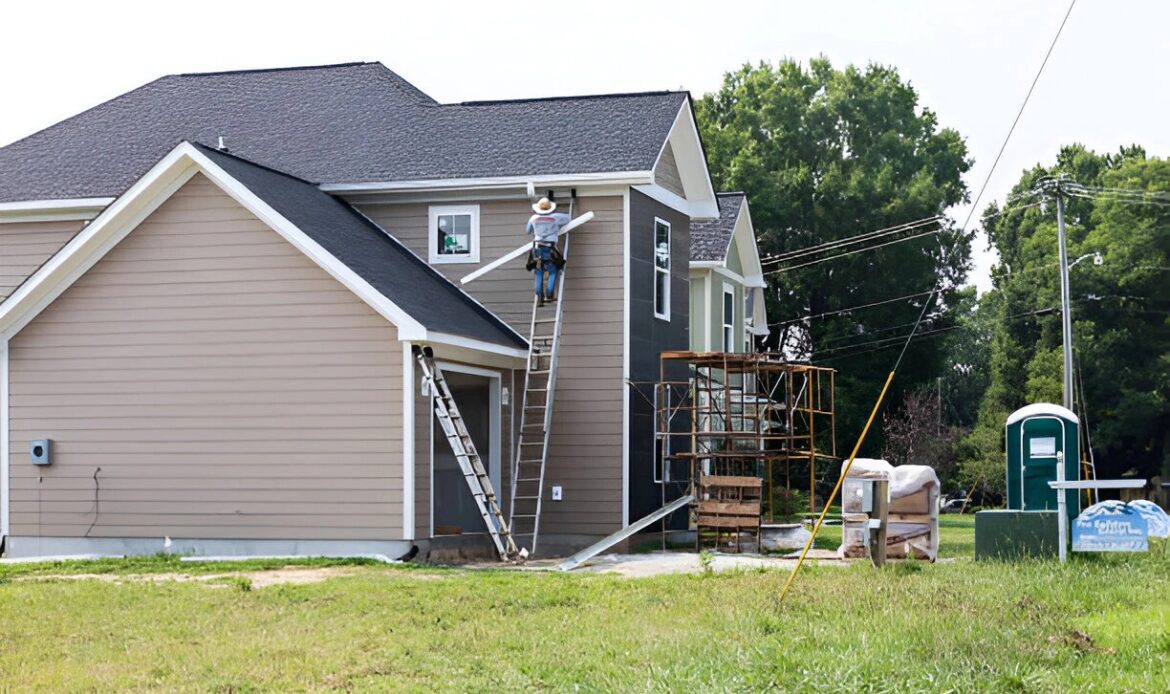
Roof replacement is one of the biggest maintenance investments a homeowner will make. But with the right planning, budgeting, and financing strategy, you can manage costs and protect your home without financial stress. In this blog, we’ll explore typical cost ranges, factors that influence price, budgeting techniques, financing options, and tips to stretch your roofing dollars wisely.
1. What Determines Roof Replacement Cost?
Roof replacement cost depends on multiple variables:
Roof size and pitch — steeper roofs require more labor and safety equipment
Material choice — asphalt, metal, tile, slate vary widely in cost
Underlayment, deck repairs, and flashing — unseen damage adds cost
Ventilation and insulation improvements — adding better attic systems adds expense
Location / labor cost — local labor rates in Houston vs rural areas differ
Disposal and permits — removing the old roof and obtaining permits are part of cost
Understanding these elements helps you make informed choices.
2. Typical Cost Ranges & Examples
These numbers are illustrative (actual cost may vary):
Basic asphalt shingle roof (moderate size home): $7,000 – $12,000
Premium architectural shingles: $12,000 – $20,000+
Metal roofing: $15,000 – $30,000+
Tile or slate: $25,000 – $50,000+
Add in extras like gutter replacement, skylight flashing, structural repairs, insulation upgrades, and the price climbs. Always get multiple quotes and detailed breakdowns.
3. How to Set a Realistic Budget
Start with your roof’s square footage (1 square = 100 sq ft)
Estimate material selection + labor + overage (10–15%)
Allocate reserve funds (10–20%) for unexpected repairs
Compare at least three contractors’ bids
Ask detailed line items: labor, materials, underlayment, disposal, permit, cleanup
Breaking down costs helps you see where to cut or enhance.
4. Financing Options for Roof Replacement
A. Home Equity Loan or Line of Credit
Using equity built in your home can offer lower interest rates, but your home is collateral.
B. Personal or Home Improvement Loans
Unsecured loans may be easier to access, though interest may be higher.
C. Contractor Financing
Many roofing companies partner with lenders to provide installment plans. Review terms, interest, and fees carefully.
D. Insurance Claims (Storm Damage)
If roof damage is due to hail, wind, or storms, homeowner’s insurance may cover part of replacement. Document thoroughly and get an independent inspection.
E. Cash Payment
If you have savings, paying cash avoids interest and gives negotiating power.
Before committing, check rates, repayment terms, effects on credit, and total cost over time.
5. Ways to Save Without Sacrificing Quality
Opt for high-value, mid-tier yet durable materials
Avoid overbuilding: don’t over-engineer parts of the roof unnecessarily
Bundle projects (replacing gutters or fascia at same time) to share mobilization cost
Ask contractors to reuse salvageable components
Ensure proper ventilation, underlayment, and flashing to avoid future costs
Get bids with same scope (compare apples to apples)
Choose a contractor you trust, to avoid costly rework
6. Managing Project Costs During Work
Monitor progress and change orders; avoid additives you didn’t approve
Keep track of material overages or wastage
Ask for written acknowledgment before any modifications
Stay present or appoint someone to review major milestones
7. Return on Investment & Long-Term Value
A quality roof replacement provides:
Peace of mind and structural protection
Increased home resale value
Reduced maintenance and unexpected repair costs
Possible energy savings (with better insulation or reflective materials)
Calculating ROI helps justify the investment.
Conclusion
Roof replacement is a significant but manageable investment when you plan appropriately. By understanding cost drivers, setting realistic budgets, exploring financing, and selecting smart materials, you protect your home and your finances. If you live in the Houston, Pasadena, or southeast Texas area and need guidance or reliable roofing service, you deserve a contractor who walks you through budgeting and installation with transparency and skill.