
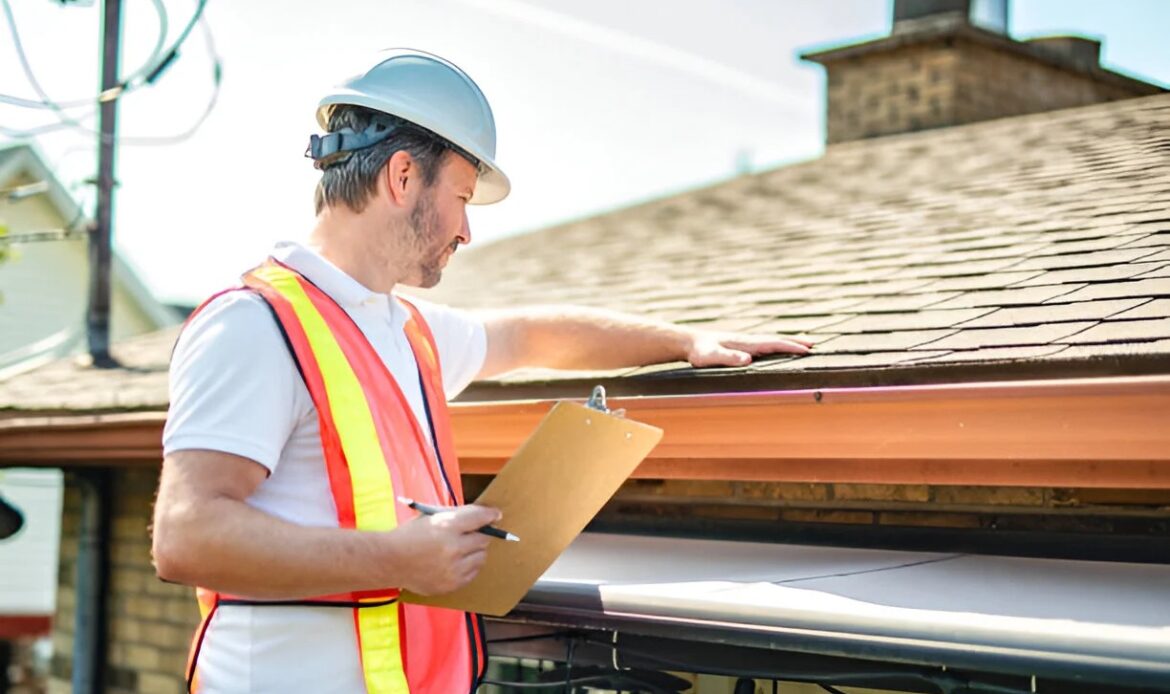
Replacing or repairing a roof is a major undertaking. It affects your home, your schedule, your yard, and your budget. To get the best results and avoid surprises, preparation is key. As a homeowner in the Houston / Southeast Texas area, knowing how to prepare your property for a roofing project helps the job go smoother, protects your belongings, and ensures safety. In this post, we’ll walk you through a detailed pre-roofing checklist, tips for communication with your contractor, and post-installation considerations.
Why Preparation Matters
Proper preparation helps:
Minimize damage to landscaping, vehicles, and property
Reduce delays or change orders
Help contractors work efficiently and safely
Prevent theft, debris scattering, or damage
Ensure a clean, professional outcome
When both homeowner and contractor are on the same page from day one, the project flows better.
1. Preliminary Steps Before Roofing Begins
A. Get a Professional Roof Inspection & Estimate
Request a full inspection to assess the condition of decking, flashing, and structural integrity. Review the estimate carefully, including materials, labor, disposal, warranty, and timeline.
B. Review Permits, Insurance & Regulations
Make sure the roofing company obtains necessary building permits. Verify that they carry liability insurance and worker’s comp. Check any relevant HOA or neighborhood rules about roofing materials, colors, or finishes.
C. Schedule Timing Wisely
Aim to schedule the roofing job during favorable weather seasons (often spring or fall). Avoid hurricane or rainy seasons in the Houston region if possible. Plan alternative lodging or partial relocation if parts of your home will be exposed.
2. Around the Property: What You Should Do
A. Clear Yard, Vehicles & Outdoor Items
Move cars, trucks, equipment away from the garage or driveway
Remove patio furniture, grills, planters, decorations near the roof area
Protect or relocate garden beds, shrubs, and landscaping near walls
B. Protect Interiors
Cover or tape plastic over furniture or surfaces near walls that may get dust or debris
Mask off attic vents, gable vents, or open windows
Remove pictures, mirrors, or sensitive wall-mounted items from upstairs rooms
C. Inform Neighbors
Let neighbors know about upcoming roofing work so they can move vehicles, close windows, or anticipate noise.
D. Mark Utilities & Access Points
Show contractors where wiring, HVAC units, plumbing vents, or hidden utilities are located. Ensure easy access routes to the roof (ladders, scaffolding zones) are cleared.
3. What Happens on Roof Day
A. Delivery and Staging
Roofing materials and equipment (shingles, underlayment, flashing, disposal bins) will be delivered. Ensure a staging area is accessible, flat, and close to the roof site.
B. Safety Measures & Setup
Contractors will implement safety systems: guardrails, fall protection, scaffolding, toe boards. Ensure children or pets stay clear of the work zone.
C. Tear-Off / Removal of Old Material
Old shingles and underlayment are stripped off. Hidden damage may be exposed—expect additional deck repairs if needed.
D. Underlayment & Deck Repairs
Any weakened or damaged roof decking is replaced. Underlayment and water/wind barrier layers are installed.
E. Roofing Material Installation
Shingles, metal panels, tiles, or other roofing get installed per manufacturer specifications. Flashing, ridge caps, valleys, ventilation, and drip edge are installed.
F. Clean-Up & Final Inspection
Contractors remove all waste, nails, debris, and leftover material. A final walkthrough is done to inspect work, ensure no leaks, and confirm reliability.
4. After Installation: What Homeowners Should Do
Inspect the roof periodically for granule loss or loose shingles
Check attic or internal ceilings for signs of leaks after heavy rain
Keep gutters clean to avoid backing up water
Hold onto warranty documentation and contractor invoices
Schedule maintenance inspections at 6-month and 1-year marks
5. Communication Tips for a Smooth Project
Stay accessible and respond quickly to contractor questions
Ask for progress photos, stage inspection walk-throughs
Request clarification on changes or unforeseen conditions
Confirm no hidden costs or additions before approving extra work
Conclusion
A successful roofing project starts long before the first nail is driven. Proper preparation—clearing property, protecting interiors, good scheduling, and strong communication—makes the process efficient, safer, and more predictable. If you’re considering roof repair or replacement in Pasadena, Deer Park, La Porte, or Houston, this checklist will help you get the most from your investment.