
Every roof has an expected lifespan, but few homeowners realize how many factors determine whether it meets, exceeds, or falls short of that expectation. From material type to local weather conditions, installation quality, and maintenance routines, a roof’s longevity depends on far more than age alone. Understanding these influences helps homeowners make smarter decisions, prepare for long-term expenses, and extend their roof’s durability for decades.
This guide explores in depth the real-life lifespan of common roofing materials, the biggest contributors to roof failure, and the maintenance practices that help protect a roof from early deterioration.
Typical Lifespan of Common Roofing Materials
Different roofing materials have naturally different durability levels. Here’s a general overview:
Asphalt Shingles
-
Standard 3-tab shingles last 18–25 years
-
Architectural shingles last 25–30+ years
-
Premium asphalt shingles may last up to 40 years
Asphalt remains the most popular option due to affordability and decent lifespan.
Metal Roofing
-
Steel or aluminum: 40–60 years
-
Copper or zinc: 70+ years
Metal roofs resist fire, rot, and pests, making them among the longest-lasting materials.
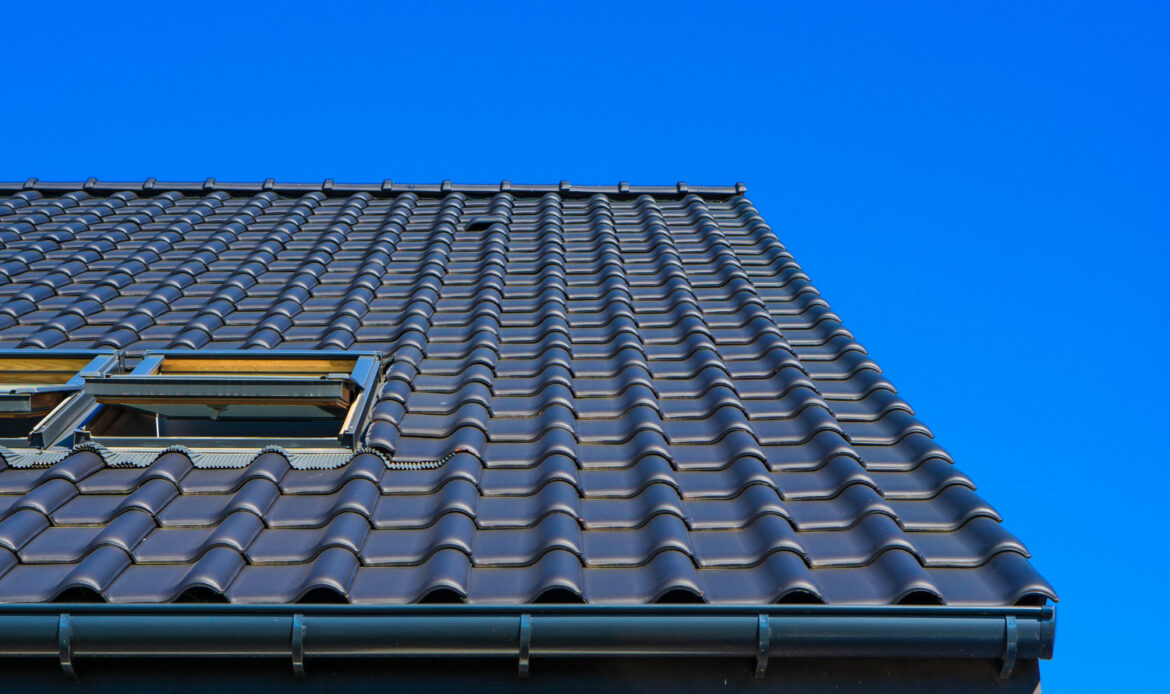
Tile Roofing
-
Clay or concrete tiles last 50–100 years
Tile roofs are extremely durable but require strong structural support.
Wood Shakes
-
Cedar shakes: 25–40 years
They require more consistent maintenance to reach their full lifespan.
Slate Roofing
-
Natural slate: 75–150 years
Slate is one of the most durable roofing materials ever created.
These ranges assume proper installation, appropriate climate, and regular upkeep.
Most Common Factors That Shorten Roof Lifespan
Even a high-quality roof can deteriorate faster under certain conditions.
1. Poor Ventilation
Improper attic ventilation traps heat and moisture, leading to:
-
Warped decking
-
Mold growth
-
Accelerated shingle aging
-
Higher energy bills
Ventilation alone can shorten a roof’s lifespan by a decade or more.
2. Severe Weather Exposure
Depending on the region, roofs may battle:
-
Strong winds
-
Heavy rain
-
Hail impact
-
Direct sun exposure
-
Rapid temperature changes
Shingles expand and contract with heat variations, causing cracks and granule loss.
3. Improper Installation Techniques
The lifespan of any roof heavily depends on how well it was installed. Common installation mistakes include:
-
Incorrect nailing placement
-
Poor flashing alignment
-
Incomplete sealing
-
Improper underlayment installation
Even high-quality materials fail early if installed incorrectly.
4. Lack of Maintenance
A roof that never receives inspections or cleaning often experiences:
-
Hidden leaks
-
Rot and mold
-
Missing shingles
-
Premature aging
Small issues grow into big, expensive problems.
5. Debris Buildup
Leaves, branches, and dirt trap moisture on the roof. This leads to:
-
Shingle decay
-
Pest nesting
-
Gutter overflow
Keeping a roof clean dramatically extends its life.
How Homeowners Can Extend Their Roof Lifespan
1. Schedule Regular Roof Inspections
Professionals recommend:
-
One inspection in spring
-
One inspection in fall
-
Additional inspections after severe storms
Routine inspections catch problems before they cause major damage.
2. Keep Gutters Free of Debris
Clean gutters allow rainwater to flow freely, preventing:
-
Overflow
-
Rot on fascia boards
-
Foundation erosion
Ignoring gutter maintenance is one of the fastest ways to damage a roof.
3. Trim Overhanging Branches
Branches rubbing against the roof tear shingles and deposit debris. Trimming trees reduces mold growth and storm hazards.
4. Improve Attic Ventilation and Insulation
This keeps temperatures stable, prevents ice-related issues, and improves shingle durability.
5. Address Repairs Quickly
A small leak becomes structural damage if ignored. Fast repairs save money long-term.
Signs Your Roof Is Reaching the End of Its Lifespan
Homeowners should watch for:
-
Curling or cupping shingles
-
Frequent leaks
-
Bald spots or granule loss
-
Soft spots on decking
-
Moss growth
-
Increased energy bills
-
Sagging areas
These symptoms often indicate a roof is in its final years.
Conclusion
Understanding the life expectancy of your roof and the factors affecting its longevity empowers homeowners to make better decisions. With proper maintenance, timely inspections, and awareness of potential issues, a roof can last far beyond its expected lifespan, offering long-term protection and significant cost savings.