
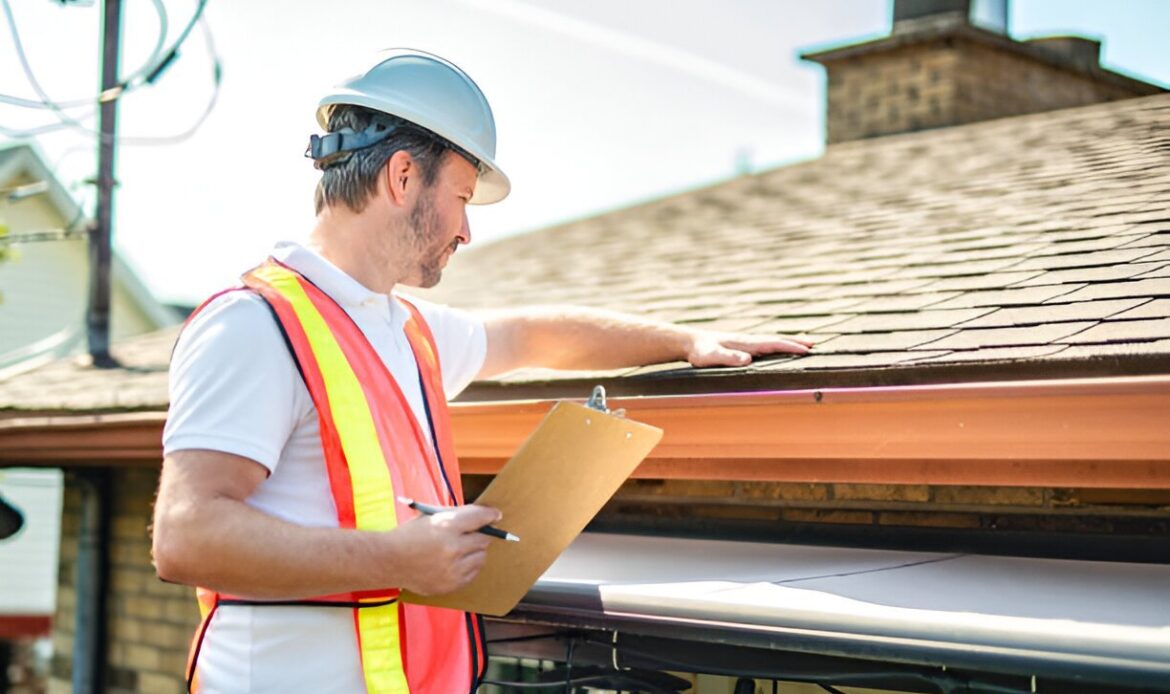
Your roof is your home’s first line of defense against weather, moisture, and external damage. But many homeowners only think about the roof when a leak appears. By then, serious damage may already have occurred. Regular inspections let you spot small problems before they escalate into costly repairs or replacement. In areas like Pasadena, Deer Park, La Porte, and Houston, where storms, heat, and humidity are common, a proactive inspection plan is essential. This checklist shows exactly what to inspect, when, and how to interpret what you see.
Why Roof Inspections Matter
Prevent interior damage: A small leak or gap may allow water into insulation, drywall, or framing.
Extend roof life: Early repairs slow deterioration of roofing materials and flashing.
Maintain warranties: Many shingle or roofing product warranties require periodic inspections.
Save money: Minor fixes cost far less than major structural or replacement work.
Peace of mind: Knowing your roof is sound gives confidence heading into storm seasons.
When to Perform Roof Inspections
| Time | Reason |
|---|---|
| Twice a year (Spring & Fall) | After winter storms and before summer heat |
| After severe storms | Hail, wind, heavy rain may cause hidden damage |
| Before buying or selling | To validate roof condition in real estate deals |
| If leakage or stains appear | To catch problem early |
The Roof Inspection Checklist
Use these areas and signs when walking your inspection route:
1. External View from Ground & Ladders
Missing, broken, or curling shingles
Dark streaks or algae stains
Shingle granules in gutters
Sagging roofline or dips
Moss, lichen, or biological growth
Flashing visible damage
2. Gutters & Downspouts
Accumulated granules
Rust, holes, or corrosion
Debris blocking flow
Damage to gutter hangers or mounts
3. Roof Penetrations & Flashing
Around chimneys, vents, fans, skylights: cracked or loose flashing
Sealant gaps or cracks
Flashing metal corrosion
4. Ridge, Hip, and Edge Components
Ridge cap condition
Drip edge integrity
Edges peeling or lifting
5. Roof Deck & Underlayment (if accessible)
Rotting or soft spots
Warped or buckled decking
Seam separation in underlayment
Water stains or mold underneath
6. Attic / Interior Inspection
Signs of light penetrating from roof
Water stains on sheathing or rafters
Mold or mildew smell
Damp insulation
Rusted nails or fasteners
Ventilation blockage
How to Document and Act on Findings
Take photos of all suspect areas
Compare over time to detect worsening trends
Rate severity: Minor, Moderate, Critical
Schedule small repairs immediately; monitor moderate issues
For critical issues, arrange professional intervention
Local Climate Stressors to Watch For
Heat & UV exposure: Accelerates shingle aging
High humidity & moisture: Promotes mold, algae
Wind and storms: Uplift damage, flashing displacement
Hail events: Bruising, granule loss
Temperature swings: Expansion/contraction stresses
Because AO1 Roofing & Construction works in this region, they understand how these forces act on local roofs, factoring in extra checks during inspections.
Tools & Safety Tips for Inspections
Use a sturdy ladder and wear fall protection
Use binoculars for steep slopes or hard-to-reach areas
Flashlight for attic inspections
Soft brush for cleaning debris temporarily
Safety gloves, non-slip shoes
Do not walk on steep or fragile roof sections—call professionals
When to Call a Professional
Structural sagging or instability
Damaged decking or exposed rafters
Repeated leaks despite repairs
Large sections of missing shingles
Complex flashing failures
Roof approaching end of life
A qualified roofer can diagnose hidden issues, undertake safe repair, and advise whether partial repair or full replacement is more cost-effective.
Preventive Maintenance Between Inspections
Clean gutters regularly
Trim overhanging branches
Remove debris from roof valleys, skylights
Inspect attic ventilation and airflow
Clear any moss or algae growth early
Re-seal small cracks or flashing gaps
These minor tasks reduce stress on your roof and make inspections more effective.
Conclusion
A disciplined inspection routine is one of the smartest investments a homeowner can make. In climates that challenge roofs constantly, catching small issues early prevents big problems later.
If you live in Pasadena, Deer Park, La Porte, Houston, or nearby, schedule a detailed roof inspection this season. Document your findings, act on repairs early, and consider professional support for complex areas. Your roof—and your home—will thank you.