
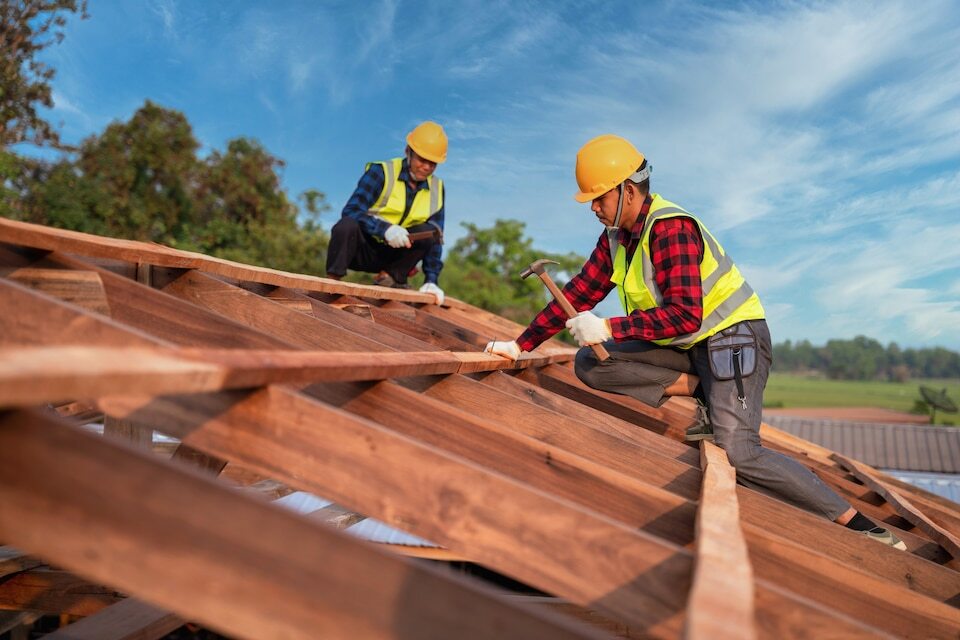
A strong, well-maintained roof is one of the most valuable investments you can make for your home. But no roof lasts forever. Over time, shingles crack, leaks develop, storms cause damage, and age begins to show. When these problems appear, homeowners in Houston, Pasadena, Deer Park, La Porte, and nearby areas face a tough decision: repair the existing roof or replace it completely.
Both options have advantages and disadvantages, and the right choice depends on the age of your roof, the extent of damage, and your budget. In this guide, we’ll explain everything you need to know about deciding between roof repair and roof replacement.
The Importance of Making the Right Choice
Your roof isn’t just another part of your house — it’s the first line of defense against Texas weather. Choosing incorrectly can cost you more in the long run.
- Delaying replacement when it’s really needed can lead to water damage, mold, and expensive structural repairs.
- Replacing too early can waste money if your roof still has years of life left.
- Repairing correctly at the right time can extend roof life and save you thousands.
Understanding the signs and weighing your options carefully is the best way to protect both your home and your finances.
Signs You May Only Need Roof Repairs
Roof repairs are usually enough when problems are limited to a small section or when the overall roof is still in good shape. Some common repair situations include:
1. Missing or Damaged Shingles
High winds or hail can knock shingles loose. If it’s just a few shingles, replacing them can be a quick fix.
2. Minor Leaks
Small leaks around chimneys, vents, or flashing can often be repaired with sealants or patchwork.
3. Localized Storm Damage
If only one side of your roof has storm damage, repairs may be sufficient.
4. Good Roof Age
If your roof is less than 10 years old and problems are minor, repair makes the most sense.
5. Healthy Structure
If the decking and underlayment are intact and there are no signs of rot, repairs can restore protection without a full replacement.
Signs That Indicate Roof Replacement Is the Better Option
Sometimes, repairs just aren’t enough. If your roof shows these warning signs, a full replacement may be necessary:
1. Roof Age
Asphalt shingles: 20–30 years lifespan
Metal roofing: 40–70 years lifespan
Tile or slate: 50+ years lifespan
If your roof is nearing the end of its expected life, replacement is often the smarter investment.
2. Frequent Repairs
If you find yourself calling a roofer every year, costs add up. At some point, it’s more economical to replace the entire system.
3. Extensive Damage
Large areas of missing shingles
Severe hail or hurricane damage
Leaks in multiple locations
4. Structural Issues
If the decking, rafters, or underlayment are rotting or sagging, a repair won’t fix the root problem.
5. High Energy Bills
Older roofs often lack proper insulation or ventilation, causing higher energy costs. A new roof can improve efficiency.
Cost Comparison: Repair vs. Replacement
Cost plays a major role in your decision. While prices vary depending on roof size, materials, and labor, here’s a general idea:
| Option | Average Cost (Houston Area) | Best For |
|---|---|---|
| Minor Repairs (patching leaks, replacing shingles) | $300 – $1,200 | Small, localized issues |
| Moderate Repairs (partial replacements, flashing repairs) | $1,500 – $4,000 | Medium damage, roof still young |
| Full Roof Replacement | $7,000 – $20,000+ | Aging roofs, severe storm damage, structural issues |
While repairs are less expensive upfront, replacement may actually save you money in the long run if your roof is nearing its lifespan.
Pros and Cons of Roof Repairs
✅ Pros
Lower cost upfront
Quick to complete (often same day)
Extends life of younger roofs
Solves localized issues
❌ Cons
Doesn’t fix underlying age-related problems
May not match existing shingles perfectly
Can become costly with repeated repairs
Pros and Cons of Roof Replacement
✅ Pros
Long-term solution
Increases home value and curb appeal
Improves energy efficiency
Strong warranties (materials + workmanship)
Better storm resistance
❌ Cons
Higher upfront cost
More time-intensive (several days to a week)
Requires larger budget planning
Factors to Consider When Deciding
1. Roof Age
Younger roofs = repairs make sense.
Older roofs = replacement is usually better.
2. Extent of Damage
Small, localized = repair.
Widespread or structural = replacement.
3. Budget and Long-Term Goals
Short-term fix = repair.
Planning to stay in your home for decades = replacement is smarter.
4. Storm Damage Insurance
In many cases, homeowners’ insurance may cover replacement if damage is storm-related. Filing a claim can reduce out-of-pocket costs.
Local Climate and Its Impact
In Houston and Southeast Texas, climate plays a big role in roof health:
- Hailstorms – Cause dents, cracks, and shingle loss.
- Hurricanes and High Winds – Can lift shingles, expose decking, or cause structural failure.
- Heavy Rain & Humidity – Lead to leaks and mold growth.
- Heat & Sunlight – Cause shingles to crack, curl, or fade faster.
Because of these conditions, homeowners often face roof replacements sooner than in cooler climates. A local roofing contractor can advise whether repairs are enough or if replacement is the safer choice.
The Roof Replacement Process
If replacement is necessary, here’s what you can expect:
- Inspection & Estimate – Contractor assesses damage and provides a written quote.
- Permits & Scheduling – Required permits are secured.
- Tear-Off – Old roofing materials are removed.
- Decking Inspection – Damaged wood is replaced.
- Underlayment & Flashing – New waterproof layers are installed.
- Roof Installation – New shingles, metal panels, or tiles are placed.
- Ventilation & Insulation – Checked and adjusted for energy efficiency.
- Cleanup – Debris and nails removed from property.
- Final Inspection & Warranty – Project is signed off and warranties provided.
How AO1 Roofing & Construction Helps Homeowners Decide
Choosing between repair and replacement isn’t always easy. That’s why AO1 Roofing & Construction offers:
- Free Roof Inspections – Detailed assessment of your roof’s condition.
- Honest Recommendations – If repair is enough, they’ll tell you. If replacement is safer, they’ll explain why.
- Local Expertise – Knowledge of Houston-area weather challenges.
- Financing Options – To help manage replacement costs.
- Emergency Services – For storm damage and urgent repairs.
- Strong Warranties – Peace of mind for years to come.
By working with AO1, you get guidance tailored to your home and your budget.
FAQs About Roof Repair vs. Replacement
Q: How do I know if I should replace my roof after a storm?
A: Have a professional inspection. If damage is widespread or insurance will cover it, replacement is usually better.
Q: Can I replace just part of my roof?
A: Yes, but it may not match perfectly and can shorten lifespan compared to a full replacement.
Q: How long does roof replacement take?
A: Most residential projects take 2–5 days, depending on size and materials.
Q: Will insurance cover roof replacement?
A: Often yes, if damage is caused by storms, hail, or other covered events. Always check your policy.
Q: What is the best roofing material for Houston?
A: Asphalt shingles are most common, but metal roofs are excellent for storm resistance and longevity.
Conclusion
Deciding between roof repair and roof replacement is one of the biggest decisions a homeowner will face. Repairs are perfect for small, localized issues on younger roofs. Replacements are the smarter investment when age, damage, or structure makes repairs impractical.
If you live in Houston, Pasadena, Deer Park, La Porte, or surrounding communities, the experts at AO1 Roofing & Construction can help you make the right decision. With free inspections, honest advice, and proven workmanship, you can feel confident that your home is in safe hands.
Your roof is more than shingles — it’s your home’s shield. Choose wisely.